

The allure of risk and reward
The thrill of uncertainty is a significant factor in the psychology of gambling. Many individuals are drawn to casinos because of the tantalizing prospect of winning money, which triggers dopamine release in the brain. This neurochemical response creates feelings of pleasure and excitement, reinforcing the behavior of betting and playing games of chance. For those seeking excitement, the best online casino can provide a unique experience, and the anticipation of winning, even against the odds, becomes intoxicating, and the rewards can feel far more significant than the risks involved. This dynamic creates a cycle where the prospect of a win encourages repeated participation, creating a lasting relationship with the gambling experience.
Furthermore, human beings are inherently creatures of habit. The gambling environment is designed to stimulate the senses, featuring bright lights, engaging sounds, and a vibrant social atmosphere that contributes to a heightened emotional state. These elements create a feedback loop that intensifies the thrill of taking risks, as players are drawn into a captivating experience. Each time someone wins, the brain associates that victory with the excitement of the environment, further solidifying the desire to return. This compelling connection between reward and experience keeps many individuals coming back for more, often leading them to overlook the potential pitfalls of gambling.
This psychological dynamic extends beyond just monetary gains; it also encompasses the social aspects of gambling. Casinos often serve as social hubs where people gather to share experiences, reinforcing the idea that gambling is not just about individual wins but also about community. The joy of winning can be amplified when shared with friends or even strangers, creating a sense of camaraderie that enhances the overall experience. This intertwining of social interaction and the rush of risk makes the gambling experience multifaceted, as it becomes about forging connections and enjoying shared victories, not just about the money at stake.
The role of escapism in gambling
The casino environment offers an escape from the mundane realities of everyday life. For many, gambling serves as a temporary outlet to forget their responsibilities and stressors. The immersive nature of casinos facilitates this escape, allowing individuals to enter a world filled with excitement and possibilities. Whether it’s the allure of wealth, the vibrant nightlife, or the thrill of gaming, this diversion provides a psychological reprieve that many find comforting and appealing. This escape often helps individuals cope with daily pressures, making the casino a desirable destination.
Moreover, the architecture and design of casinos play a vital role in creating an atmosphere conducive to escapism. Lavish decor, themed areas, and an abundance of entertainment options contribute to an almost fairy-tale-like experience that invites patrons to leave their ordinary lives behind. Even the absence of windows and clocks in many casinos creates a disorienting effect, allowing visitors to lose track of time and immerse themselves fully in the experience. This tailored environment fosters a sense of detachment from reality, which can be incredibly alluring for those seeking a break from their daily routines.
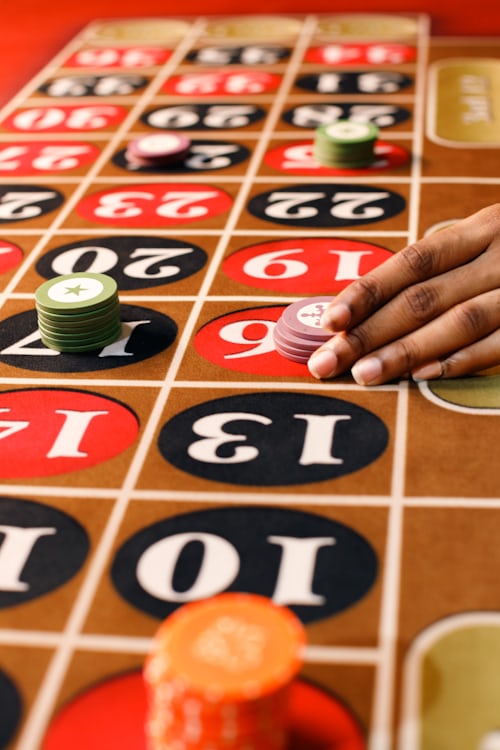
Interestingly, this desire for escape can become problematic for some individuals. While moderate gambling can be a fun and harmless form of relaxation, it can turn into a coping mechanism for deeper issues like loneliness, anxiety, or depression. Many individuals may turn to gambling as a way to escape their emotional struggles, and this can lead to a cycle of addiction. Understanding this psychological component is essential, as it illuminates why certain individuals may develop gambling addictions, highlighting the need for awareness and support within the gambling community.
The social dynamics of gambling
Casinos are not merely venues for individual betting; they are vibrant social environments that encourage interaction among guests. The atmosphere of games like poker or blackjack promotes camaraderie and competition, as players engage with one another. This social interaction adds another layer to the gambling experience, making it more than just winning or losing money. People often share stories, strategies, and even support one another as they navigate their gaming sessions, which fosters a sense of community that many gamblers cherish. This shared experience can make the act of gambling feel less solitary and more inclusive.
The presence of dealers and staff also shapes the social dynamics within casinos. Friendly dealers create a welcoming environment that encourages players to feel comfortable and engaged. Their roles are crucial in making the experience enjoyable, as they can help ease tension and foster a positive atmosphere. The interactions between dealers and players can significantly impact a player’s overall enjoyment of the game, turning a simple gambling session into a memorable social event. Such interpersonal connections can keep players coming back, as the human element enhances the thrill of gambling.
Furthermore, social proof is an influential motivator in gambling behaviors. Observing others win can spur players to engage more actively, driven by the hope that they too might come out victorious. The celebratory atmosphere during significant wins can be contagious, encouraging others to join in on the excitement. This social reinforcement pushes individuals to continue gambling, not only for the potential financial gain but also for the sense of belonging and shared joy that comes from participating in a collective experience. The blend of individual ambition and social interaction is a powerful draw that keeps the gambling scene buzzing.
The impact of marketing and design
Marketing strategies employed by casinos are highly effective in drawing patrons in and keeping them engaged. From attractive sign-up bonuses to loyalty programs, these tactics craft a compelling narrative around gambling as a fun and rewarding activity. This marketing often highlights the potential for extravagant wins, tapping into the aspirational lifestyle that many associate with gambling. Such promotions not only attract first-time visitors but also encourage repeat business, creating a dedicated customer base that feels valued and appreciated. The allure of these marketing strategies makes casinos feel like more than just gambling venues; they become destinations for entertainment and excitement.

Additionally, the design of casinos is meticulously crafted to enhance the gambling experience. The use of colors, sounds, and layout is intentional, all aimed at maximizing engagement. For instance, the sounds of slot machines ringing or the visual spectacle of flashing lights can create an energetic atmosphere that draws players deeper into the casino. This sensory overload can lead to prolonged stays, as players become enveloped in the experience and often lose track of time and money. The environment is designed to keep visitors entertained and engaged, making it easy to overlook potential risks associated with gambling.
Casino design also fosters a sense of excitement and exploration. Games are often positioned close to one another, encouraging patrons to wander and try different forms of gambling. This proximity can lead to impulsive decisions as players are tempted to try their luck at various games. Such design strategies not only enhance the thrill but also increase the likelihood of spending more, as the environment continuously entices visitors to engage with new opportunities. The careful orchestration of marketing and design effectively taps into the psychology of betting, making casinos vibrant, alluring places for recreation and excitement.
Exploring responsible gambling
As the allure of casinos can lead to excessive gambling, it is crucial to address the importance of responsible gambling. Understanding one’s limits and recognizing the signs of problematic gambling behavior is essential for enjoying the experience without negative consequences. Casinos are increasingly implementing measures to promote responsible gambling, such as providing information, self-exclusion programs, and access to counseling resources. These initiatives aim to create a safer environment and raise awareness about responsible gaming practices, helping individuals make informed choices about their gambling habits.
Moreover, education plays a vital role in shaping a healthy gambling culture. By fostering an understanding of the odds and the nature of games, individuals can make more informed decisions about their gambling activities. Casinos can contribute positively by offering workshops or resources that teach players about the risks associated with gambling. Encouraging responsible gambling practices helps community members engage with casinos in a way that prioritizes enjoyment while minimizing potential harm. This educational approach is essential in promoting a balanced perspective on gambling.
Additionally, recognizing the social aspect of gambling can provide avenues for support. Friends and family play a crucial role in monitoring behaviors and fostering open discussions about gambling habits. Creating a culture where individuals feel comfortable discussing their experiences can alleviate the stigma surrounding gambling while promoting a healthier understanding of its psychological impact. Through collaboration between casinos, communities, and individuals, it is possible to maintain a balanced approach to the enticing world of gambling, ensuring that it remains a source of fun and enjoyment without crossing over into harmful behaviors.